
Craving Comfort Without Compromise: The Ultimate Guide to Easy, Healthy Vegetarian Meals
Imagine coming home after a long day, only to realize the thought of cooking feels more exhausting than comforting. We’ve all been there—staring at the fridge, wondering how to turn a handful of ingredients into something satisfying.
Enter the unsung hero of modern kitchens: vegetarian meals. Whether you’re embracing plant-based eating for health, ethics, or simply to simplify your routine, these dishes are your answer. Forget complex recipes or specialty ingredients—vegetarian meals easy to prepare and vegetarian meals healthy at their core can become your new go-to.
With the right approach, you’ll discover flavors so vibrant and nourishing that weeknight dinners cease to be a chore and instead feel like a celebration. Let’s explore how to create meals that honor your taste buds and your well-being, one pantry-friendly ingredient at a time.
Ingredients & Supplies for Fail-Proof Vegetarian Meals
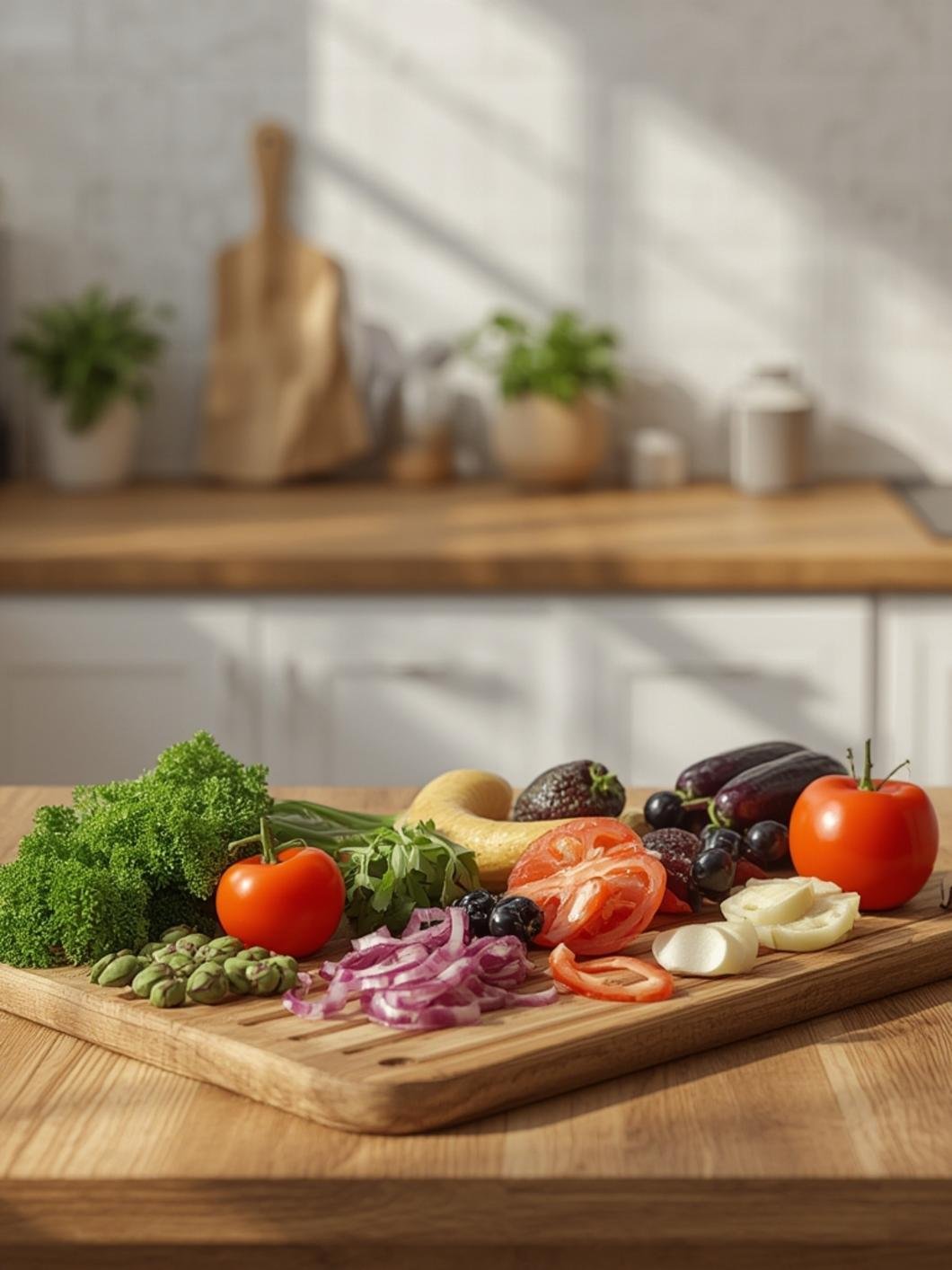
The beauty of vegetarian meals lies in their simplicity. Start with staples like:
– Dried lentils or chickpeas: The ultimate protein boosters. (Quick tip: Opt for pre-cooked canned varieties to save time.)
– Quinoa or brown rice: Whole grains that add texture and fiber.
– Frozen mixed vegetables: Perfect for adding color and nutrients without wilted results.
– Low-sodium vegetable broth: Elevates flavor while keeping meals heart-healthy.
– Extra-virgin olive oil or avocado oil: Healthy fats that enhance satiety and flavor.
For dietary variations:
– Gluten-free? Use tamari instead of soy sauce.
– Vegan? Swap honey for agave nectar in marinades.
– Boost protein? Add hemp seeds or nutritional yeast.
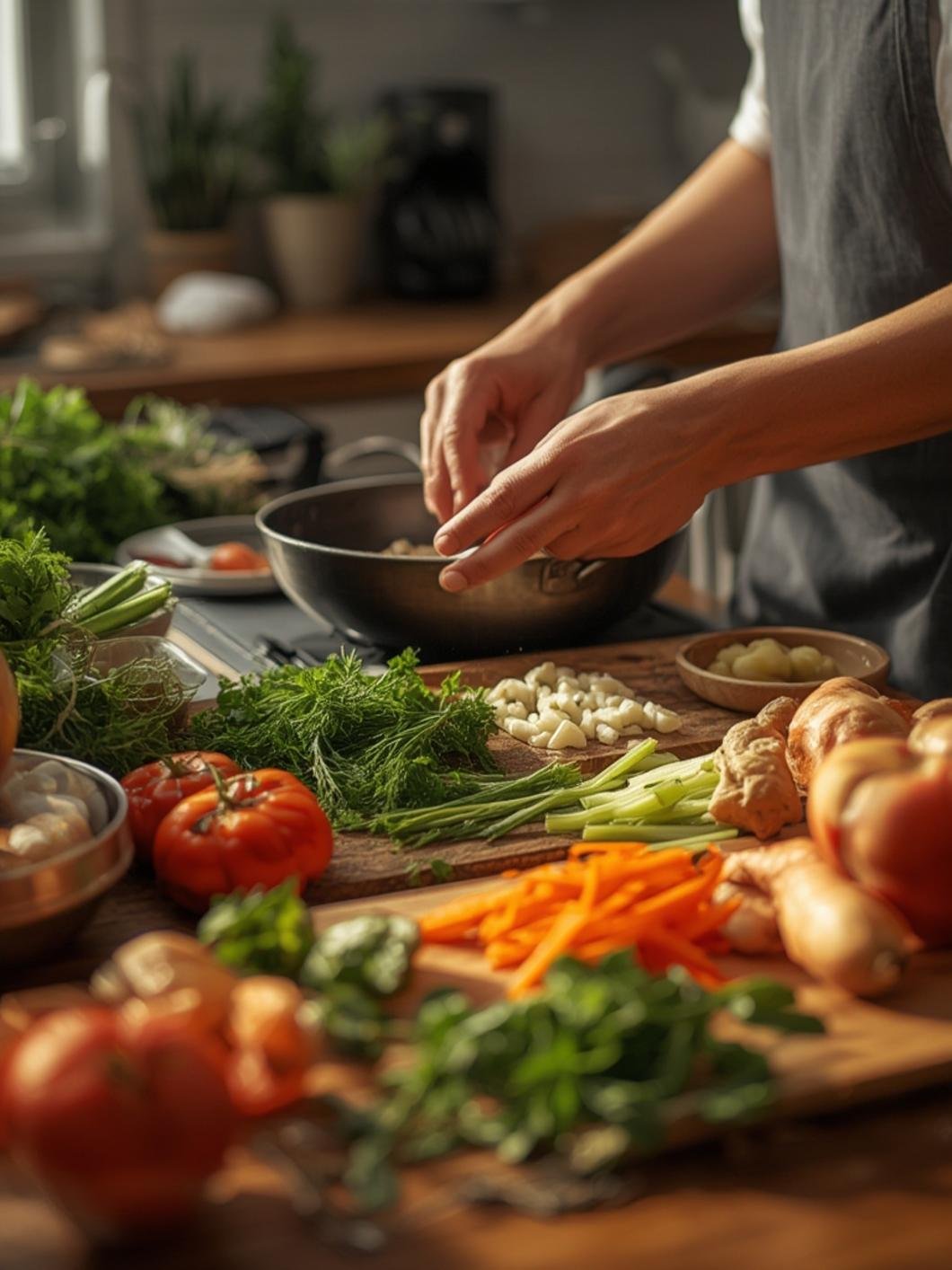
Tools needed: A large skillet, a sharp chef’s knife, and a resealable container for meal prep. Invest in a food processor for quick chopping or a blender for creamy sauces.
Prep & Cooking Schedule: Smart Timing for Busy Lives
This recipe accommodates even the tightest schedules:
– Prep time: 15 minutes (chopping veggies, portioning grains).
– Cook time: 30 minutes (hands-off simmering for soups or one-pot dishes).
– Total time: 45 minutes (ideal for weekday dinners).
– Meal prep hack: Batch-cook grains and proteins on Sunday, then mix with roasted veggies and sauces midweek.
For best results, time spices at the right stage: Toast spices in oil before adding liquids to deepen flavor. If using an Instant Pot, set it to “Sauté” mode for quick sautéing before pressure cooking.
Step-by-Step Instructions for Effortless Vegetarian Meals
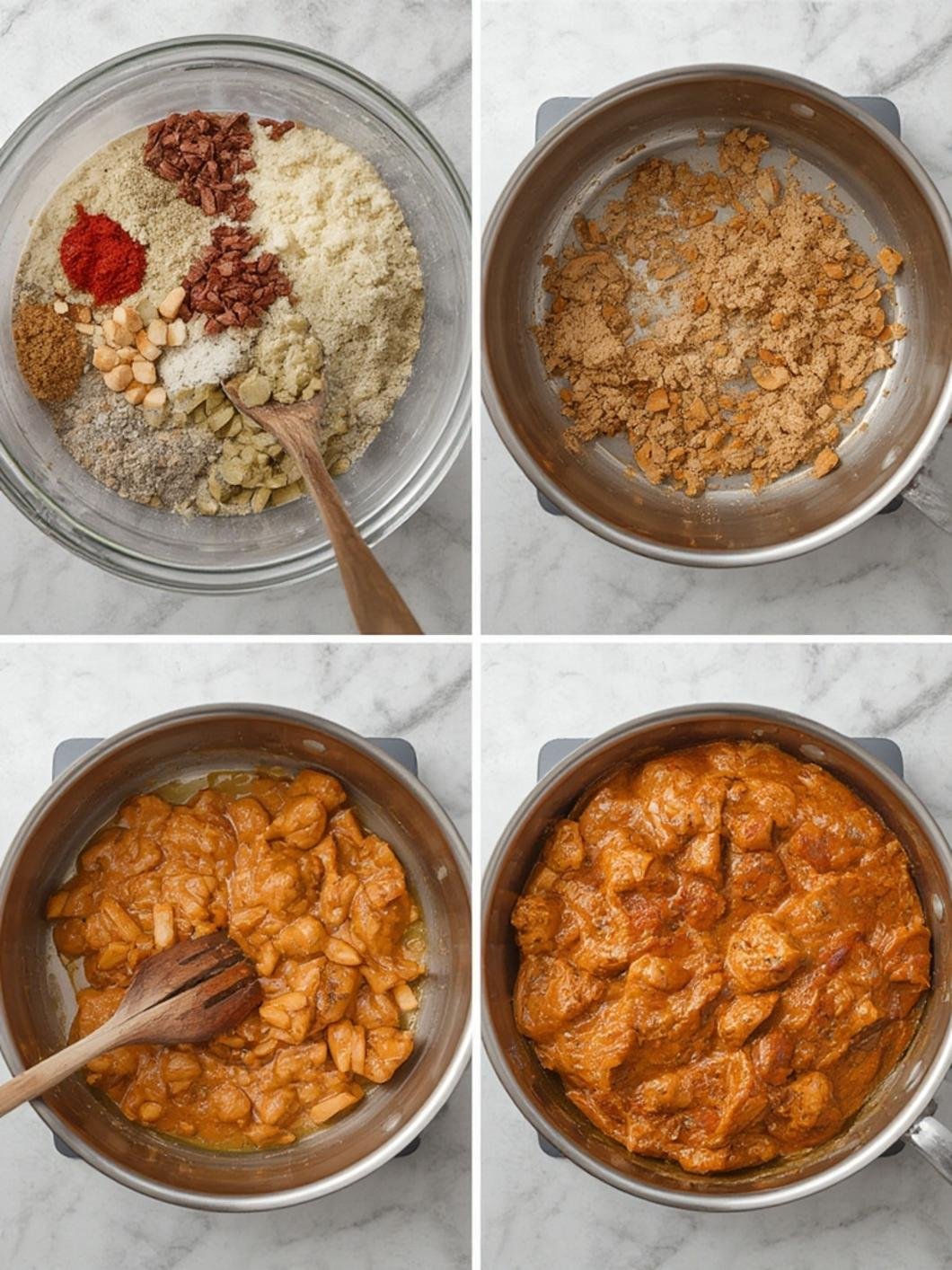
1. Sauté aromatics: Heat olive oil in a skillet, then add diced onions and garlic. Cook until golden (~3 minutes). (Pro tip: Burnt garlic? Cook over medium-low heat and stir constantly.)
2. Layer spices: Stir in cumin, smoked paprika, and turmeric. Cook for 1–2 minutes to bloom the flavors.
3. Add bulk: Pour in lentils or chickpeas, then top with chopped bell peppers and spinach. Toss to coat.
4. Simmer: Pour in vegetable broth or water. Bring to a boil, then reduce heat to low. Cover and simmer for 20 minutes, letting grains absorb the liquid.
5. Finish: Flake in feta or sprinkle with chia seeds for texture and protein. Taste and adjust salt.
Why These Vegetarian Meals Nourish Body and Mind
Vegetarian meals are nutrient powerhouses. Lentils deliver 18g of protein per cooked cup, while quinoa offers all nine essential amino acids. The colors of mixed veggies signal antioxidants like beta-carotene (orange peppers) and anthocyanins (purple cabbage), supporting immunity and reducing inflammation. With <300 calories per serving and minimal saturated fat, these meals align with heart-healthy diets. Additionally, fiber from oats or barley aids digestion, making these dishes as vegetarian meals healthy as they are satisfying.
Creativity Unleashed: Variations & Pro Tips
– Spicy twist: Add 1 tsp chili flakes or swap broth for coconut milk.
– Creamy upgrade: Blend cooked beans with avocado or silken tofu for a plant-based sauce.
– Meal prep magic: Store grains and proteins separately, then combine with fresh veggies later.
– Time-saver: Use pre-chopped prepped veggies or a slow cooker for hands-off cooking.
Troubleshooting Common Mistakes in Vegetarian Cooking
1. Problem: Mushy textures in soups.
Fix: Don’t overcrowd the pot; add liquid gradually and avoid boiling after simmering.
2. Problem: Bland flavors.
Fix: Squeeze lime or lemon over dishes, or add a dash of vinegar at the end.
3. Problem: Dry baked goods.
Fix: Replace eggs with flax eggs (1 tbsp ground flaxseed + 3 tbsp water) for moisture.
Storing & Reheating Vegetarian Meals Like a Pro
Keep leftovers fresh:
– Refrigerate: Transfer to airtight glass containers for up to 4 days.
– Freeze: Divide into portions using silicone molds or freezer bags.
– Reheat: Use a microwave with a damp paper towel covering the dish, or warm in a skillet over low heat. Avoid reheating frozen soups in the microwave to prevent splitting.
The Heart of Home Cooking: Why Vegetarian Meals Matter
Mastering vegetarian meals isn’t just about nutrition—it’s about reclaiming control over your diet, reducing food waste, and savoring flavors that feel authentically yours. Whether you’re experimenting with vegetarian meals healthy bases like turmeric-spiced lentil stew or indulging in a decadent vegetarian chili, these recipes prove that plant-based eating can be both effortless and extraordinary. Remember, every bite you crave can start on your stovetop—no restaurant required.
Vegetarian Meal Prep & Beyond
Q: Can I meal prep these dishes? How long do they last?
A: Absolutely! Batch-cook grains and proteins, then store veggies separately. Refrigerate for 4 days or freeze for 2–3 months.
Q: How do I prevent dried-out tofu?
A: Press firm tofu for 15 minutes before cooking, or marinate it for at least 20 minutes to lock in moisture.
Q: What’s the best way to add creaminess without dairy?
A: Blend cashews or silken tofu with lemon juice and nutritional yeast for a dairy-free “cheese” sauce.
Q: Can I use an air fryer for vegetarian meals?
A: Yes! Air fry cauliflower “steaks” at 400°F for 20 minutes, or toss chickpeas with paprika for crispy snacks.
Q: How do I adjust seasoning if a dish tastes flat?
A: Taste at each step—add salts/herbs early if needed, then brighten with acid (lemon, vinegar) or fresh herbs at the end.
Final Thoughts: Your Journey to Nourishing Vegetarian Living Starts Here
Vegetarian meals and vegetarian meals easy to prepare aren’t just trends—they’re a gateway to sustainable, joyful eating. By prioritizing whole foods and bold spices, you’ll craft dishes that satisfy both hunger and heart.
