
Have you ever felt overwhelmed by the sheer volume of information surrounding dietary changes? Perhaps you’re intrigued by the potential benefits of a more primal way of eating, but the thought of restrictive meal planning feels daunting. Many people are seeking simplicity and nourishment, and that’s where this recipe shines.
We’re diving into the world of the carnivore diet with a foundational dish: a perfectly seared steak paired with a surprisingly palatable organ medley. Finding free carnivore diet recipes can be a challenge, as many resources focus on expensive cuts or complicated preparations. This recipe is designed to be accessible, affordable, and incredibly satisfying, proving that eating like our ancestors doesn’t have to be difficult.
It’s a cornerstone for building effective carnivore diet meal plans and understanding the core principles of this way of eating. This isn’t just about steak; it’s about unlocking a feeling of sustained energy and optimal health through nutrient density.
Ingredients & Supplies
Yields: 2 servings
Prep time: 15 minutes
Cook time: 20-25 minutes
- Steak (Ribeye or Sirloin): 1 lb (approximately 450g). Choose grass-fed if possible for a richer flavor and higher omega-3 content.
- Beef Liver: 4 oz (approximately 115g). Look for a vibrant, reddish-brown color.
- Beef Heart: 4 oz (approximately 115g). Should be a deep, muscular red.
- Beef Kidney: 2 oz (approximately 55g). (Optional, but highly nutritious).
- Beef Suet or Tallow: 2 tablespoons. This is crucial for flavor and healthy fats. If unavailable, use ghee.
- Sea Salt: To taste. Flaky sea salt is preferred for finishing.
- Black Pepper (Optional): While technically not carnivore, a small amount can enhance flavor for those transitioning.
Kitchen Tools:
- Cast Iron Skillet: Highly recommended for achieving a beautiful sear. A heavy-bottomed stainless steel skillet can be substituted.
- Cutting Board: A sturdy, non-porous surface.
- Sharp Knife: For precise slicing and dicing.
- Tongs: For flipping and handling the steak.
- Small Bowl: For preparing the organ medley.
- Meat Thermometer: Essential for ensuring the steak is cooked to your desired doneness.
Prep & Cooking Schedule
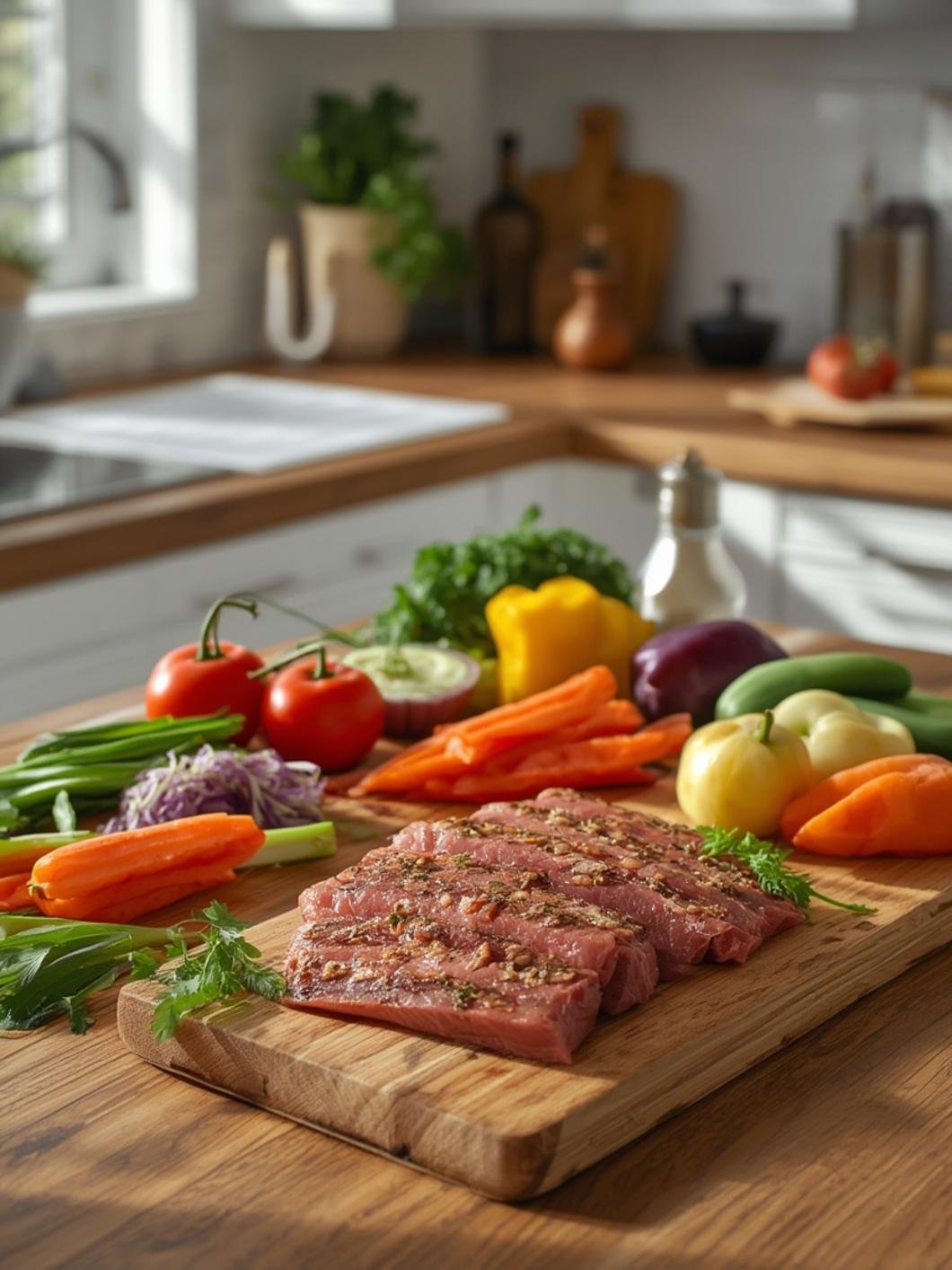
Prep Time: 15 minutes – This includes trimming the steak, dicing the organs, and seasoning.
Organ Medley Prep: 5 minutes – Dice the liver, heart, and kidney (if using) into roughly ½ inch cubes. This ensures even cooking and a less intimidating texture.
Steak Prep: 5 minutes – Pat the steak dry with paper towels. This is critical for achieving a good sear. Season generously with sea salt (and pepper, if using).
Cook Time: 20-25 minutes – The steak will take the majority of the cooking time, with the organs finishing quickly.
Resting Time: 5-10 minutes – Allowing the steak to rest is essential for juicy, tender results.
Total Time: 40-50 minutes.
This recipe is perfect for a weeknight meal, especially if you’ve prepped the organs ahead of time. It’s a fantastic starting point for exploring free carnivore diet recipes and building your confidence in the kitchen. Consider doubling the recipe for efficient carnivore diet meal plans throughout the week.
Step-by-Step Instructions

1. Render the Suet/Tallow: Place the suet or tallow in the cast iron skillet over medium-high heat. Allow it to melt completely, creating a generous layer of fat. This fat is your cooking medium and adds incredible flavor.
2. Sear the Steak: Once the fat is shimmering, carefully place the steak in the hot skillet. Sear for 3-4 minutes per side for medium-rare, adjusting time based on thickness and desired doneness. Use tongs to flip the steak, ensuring even contact with the hot surface.
3. Add the Organ Medley: After flipping the steak the second time, add the diced liver, heart, and kidney (if using) to the skillet around the steak. Reduce the heat slightly to medium.
4. Cook the Organs: Cook the organ medley for 5-7 minutes, stirring frequently, until they are browned and cooked through. Liver should be slightly firm but still a little pink inside. Heart and kidney will become more opaque. Remember, incorporating organs is a key component of many carnivore diet meal plans and these free carnivore diet recipes often highlight their importance.
5. Check Steak Temperature: Use a meat thermometer to check the internal temperature of the steak. For medium-rare, aim for 130-135°F (54-57°C).
6. Rest the Steak: Remove the steak from the skillet and place it on a cutting board. Tent loosely with foil and let it rest for 5-10 minutes. This allows the juices to redistribute, resulting in a more tender and flavorful steak.
7. Slice and Serve: Slice the steak against the grain and serve immediately with the cooked organ medley. A sprinkle of flaky sea salt elevates the flavors beautifully.
Nutritional Benefits / Advantages
This steak and organ medley is a nutritional powerhouse. Steak provides high-quality protein, essential amino acids, iron, zinc, and B vitamins. However, the real magic lies in the organs. Liver is arguably the most nutrient-dense food on the planet, packed with Vitamin A, B vitamins (especially B12), iron, copper, and choline. Heart is an excellent source of CoQ10, an antioxidant vital for energy production. Kidney provides selenium and other essential minerals. This combination offers a complete and bioavailable nutrient profile, supporting everything from immune function to cognitive health. It’s a far cry from processed foods and a cornerstone of a truly nourishing diet.
Recipe Variations, Substitutions & Pro Cooking Tips
- Spicy Kick: Add a pinch of cayenne pepper to the organ medley during cooking.
- Creamy Variation: Deglaze the skillet with a tablespoon of beef bone broth after removing the steak, scraping up any browned bits. This creates a flavorful sauce.
- Healthier Option: Trim excess fat from the steak before cooking.
- Ground Organ Blend: If you’re hesitant about diced organs, try using a pre-ground organ blend.
- Pro Tip: Don’t overcrowd the skillet. Cook the steak in batches if necessary to maintain a high searing temperature.
- Seasoning Experimentation: While salt is essential, feel free to experiment with other carnivore-approved seasonings like bone marrow powder.
Common Mistakes to Avoid

- Not Patting the Steak Dry: This is the biggest mistake! Moisture prevents a good sear.
- Overcooking the Steak: Use a meat thermometer to ensure it reaches your desired doneness. Overcooked steak is tough and dry.
- Under-Seasoning: Don’t be afraid to use plenty of salt. It enhances the flavor of the meat.
- Overcooking the Liver: Liver becomes rubbery when overcooked. Aim for slightly firm but still a little pink inside.
- Using Low-Quality Fat: The fat is crucial for flavor. Invest in good quality beef suet or tallow.
Storage / Meal Prep & Reheating Tips
Leftover steak and organ medley can be stored in an airtight container in the refrigerator for up to 3 days. For longer storage, freeze in individual portions for up to 2 months. To reheat, gently warm in a skillet with a small amount of tallow or beef fat over low heat. Avoid microwaving, as it can make the steak tough. Adding a splash of bone broth during reheating can help restore moisture. This recipe is excellent for meal prepping; you can cook a large batch of steak and organs on the weekend and enjoy it throughout the week as part of your carnivore diet meal plans.
Conclusion
This simple steak and organ medley is a fantastic introduction to the world of the carnivore diet. It’s a testament to the fact that nourishing your body doesn’t have to be complicated or expensive. By focusing on nutrient-dense, whole foods, you can experience a significant improvement in your health and well-being. We hope you’ve found these free carnivore diet recipes helpful and inspiring. Don’t hesitate to try this recipe and discover the power of primal eating. Share your experience in the comments below, and let us know what variations you’ve tried! Explore our other carnivore recipes for more inspiration and to build out your personalized carnivore diet meal plans.
FAQs
Q: Can I substitute the beef liver for chicken liver?
A: While you can, beef liver is generally preferred for its richer flavor and higher nutrient density. Chicken liver has a milder taste but may not provide the same level of nutrients.
Q: Can I make this recipe ahead of time?
A: Yes! You can cook the steak and organ medley a day or two in advance and store it in the refrigerator. Reheat gently before serving.
Q: How do I adjust the seasoning?
A: Start with a generous amount of sea salt and adjust to your taste. If you’re transitioning to a carnivore diet, you may want to add a small amount of black pepper initially, but gradually reduce it as your palate adjusts.
Q: Can this be made in an air fryer or Instant Pot?
A: While possible, a cast iron skillet provides the best sear and flavor. The Instant Pot can make the steak tender, but it won’t achieve the same crust. An air fryer could work for the organs, but requires careful monitoring to prevent drying out.
Q: My liver tasted metallic. What did I do wrong?
A: Metallic taste in liver often indicates it wasn’t properly soaked. Before cooking, soak the liver in cold water (with a splash of lemon juice or vinegar) for at least 30 minutes, changing the water a couple of times. This helps draw out impurities.
