
Healthy Pasta Recipes: Quick, Nutritious Meals for Every Cook
Craving something hearty yet light? Healthy pasta recipes have revolutionized home cooking, turning a classic comfort dish into a nutrient-packed powerhouse.
If you’ve ever found yourself asking, “How can I enjoy creamy, satisfying pasta without the guilt?”, these healthy pasta recipes easy enough for weeknights—and delicious enough for weekends—are your answer.
Why Comfort Food Can Be Nutritious
Gone are the days when “healthy” and “indulgent” felt at odds. With this approach to healthy pasta recipes, you’ll discover how to balance flavors and textures without sacrificing nutrition. Whether you’re a busy professional, a parent juggling meal prep, or a novice cook seeking confidence in the kitchen, these recipes deliver:
– High-quality protein from lean meats, legumes, or plant-based sources
– Fiber-rich vegetables like spinach, zucchini, or mushrooms
– Whole-grain pasta for sustained energy and digestive health
– Healthy fats from olive oil, nuts, or avocado to enhance flavor and satiety
This isn’t just about swapping ingredients—it’s about creating a new culinary experience where taste and wellness coexist.
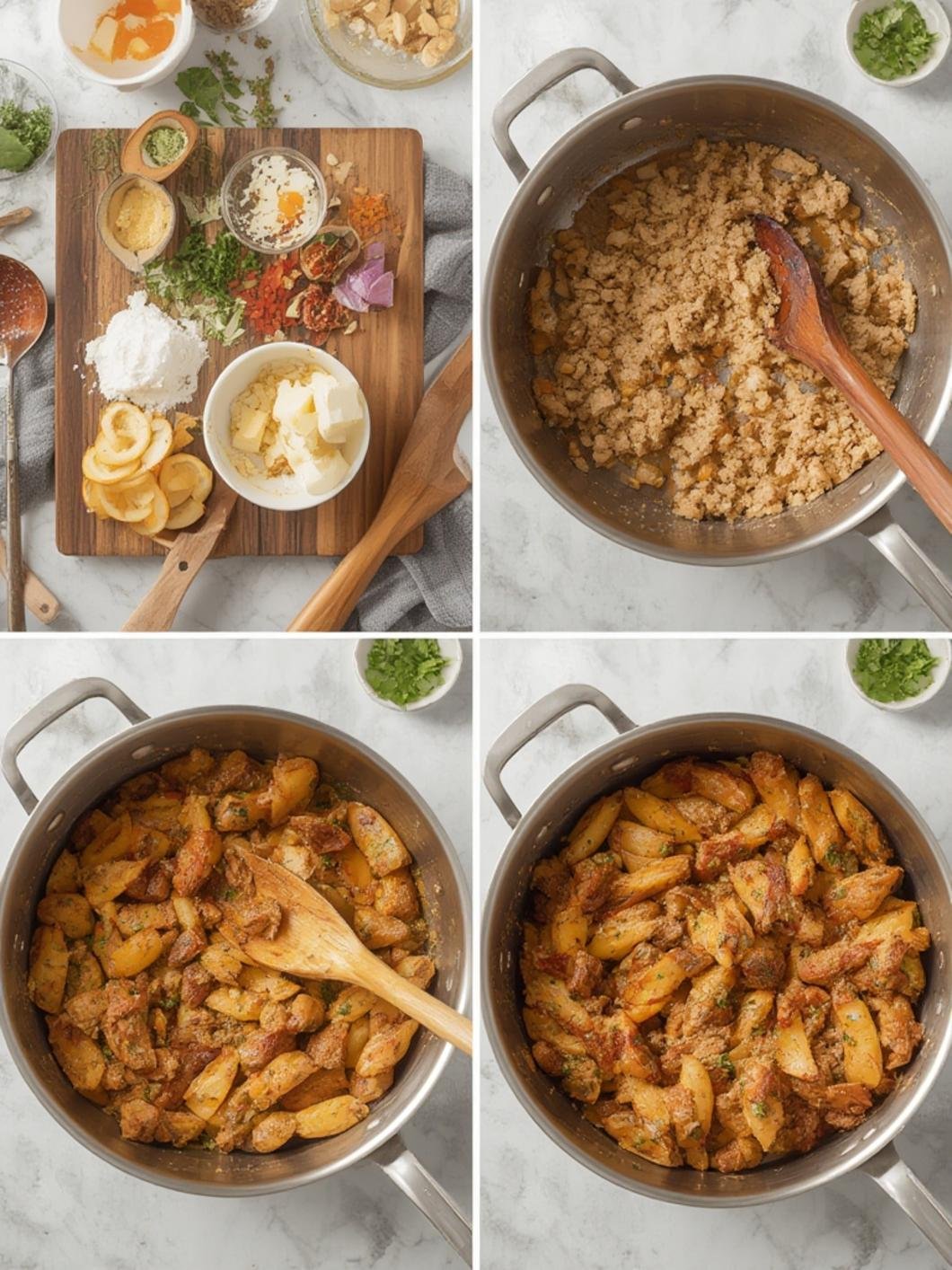
Ingredients & Supplies for Success
To craft your next favorite healthy pasta recipe, gather these staples:
For the Pasta Base
– 12 oz whole-wheat or legume-based pasta (gluten-free if needed)
– 1 tbsp olive oil (extra virgin for best flavor)
For the Tomato Spinach Pesto Sauce
– 2 cups fresh spinach
– 1/2 cup baby tomatoes, halved
– 1/4 cup pine nuts or walnuts
– 2 tbsp nutritional yeast [vegan] or Parmesan cheese (for added calcium)
– 1 clove garlic, minced
– 1 tbsp lemon juice
– 1 tsp Dijon mustard
– Salt and pepper to taste
Optional Upgrades
– Grilled chicken or shrimp for extra protein
– Avocado slices for creaminess
– A sprinkle of red pepper flakes for heat
Tools Needed
– Medium pot for boiling pasta
– Immersion blender or regular blender (for silky textures)
– Large skillet for sautéing proteins
– Glass jar or food processor (if skipping the immersion blender)
Tip: Opt for organic ingredients when possible, and check labels for hidden additives in gluten-free pasta brands like Barilla Gluten-Free.
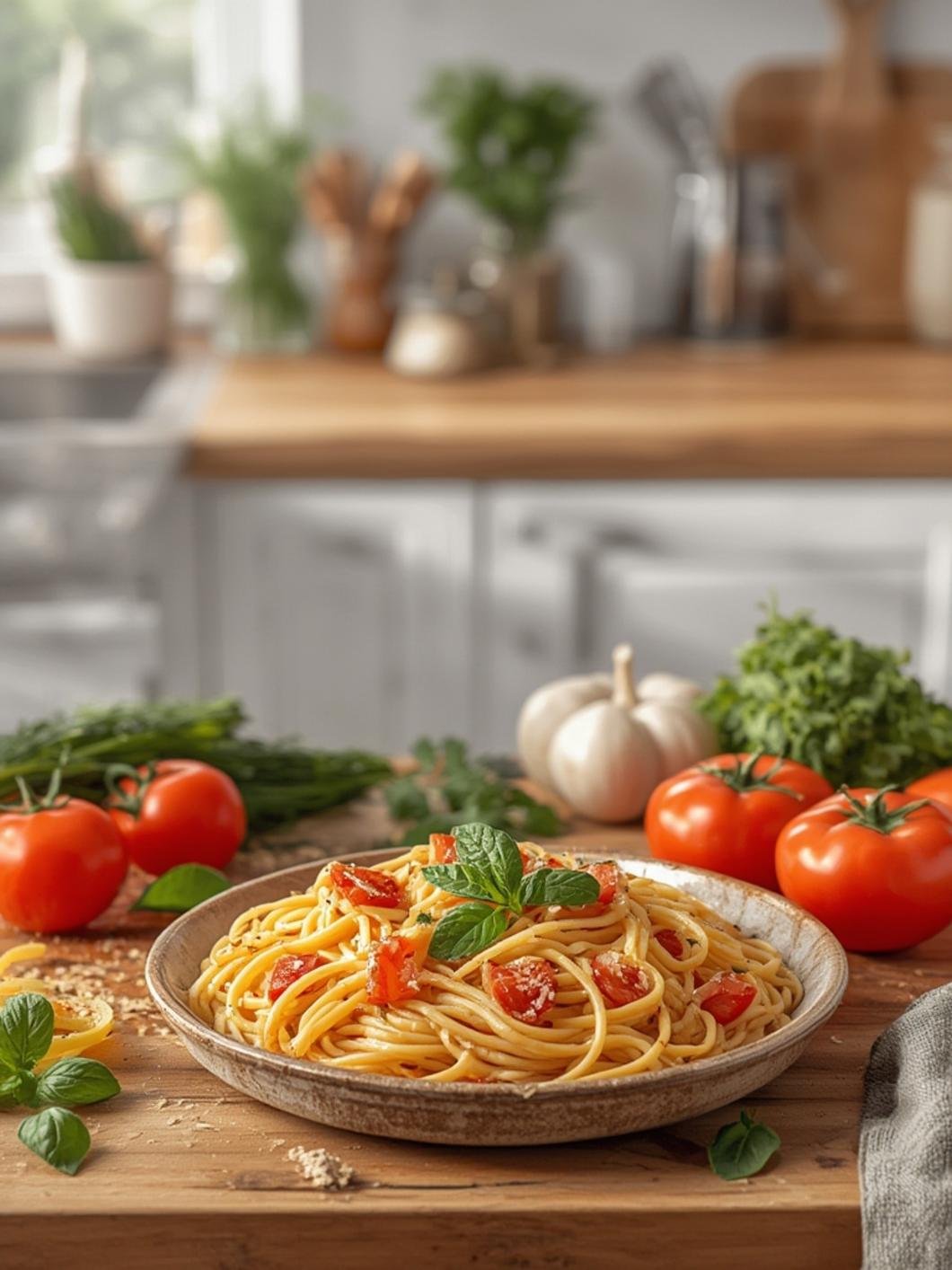
Prep & Cooking Schedule: Streamline Your Routine
This healthy pasta recipes easy approach takes just 30 minutes start to finish:
– Prep Time: 10 minutes (chopping veggies, measuring spices)
– Cook Time: 15 minutes (boiling pasta + fast sauce setup)
– Total Time: 25 minutes (plus optional resting while proteins rest)
How to Plan:
1. Wash and chop spinach, tomatoes, and nuts while the pasta cooks.
2. Blend sauce ingredients while waiting for the water to boil.
3. Cook pasta and protein simultaneously, then plate everything warm.
Pro Tip: Pre-portion pesto into ice cube trays and freeze—whip into a paste for last-minute meals!
Step-by-Step Instructions
Step 1: Boil the Pasta
Bring a large pot of salted water to a boil. Add pasta and cook according to package instructions, stirring occasionally to prevent sticking. Reserve 1 cup of pasta water before draining. This liquid will help emulsify the sauce later.
Step 2: Make the Spinach Pesto
In a blender, combine spinach, tomatoes, nuts, nutritional yeast, garlic, lemon juice, and mustard. Blend until smooth (add pasta water a tablespoon at a time if needed). Season with salt and pepper. The sauce should coat the back of a spoon.
Step 3: Cook Proteins Separately
In a skillet, sear chicken or shrimp in olive oil for 5-6 minutes per side. Remove and set aside. Pro Tip: Use tongs to avoid breaking delicate proteins like shrimp.*
Step 4: Combine Everything
Toss the cooked pasta directly into the saucepan with the pesto. Add cooked proteins and a splash of pasta water if the sauce is too thick. Sensory Cue: The aroma of toasted nuts and garlic should be immediate and irresistible.*
Step 5: Customize and Serve
Top with additional veggies, a drizzle of olive oil, or fresh herbs like basil. Serve in a sunny spot or meal prep containers for lunches!
Nutritional Benefits You Can Taste
This healthy pasta recipe isn’t just convenient—it’s loaded with:
– Antioxidants from spinach and tomatoes to combat inflammation
– Slow-digesting carbs that keep hunger at bay longer than simple carbs
– Plant-based protein from legumes in pasta, boosting satiety
– Healthy fats that support brain health and heart function
Optional add-ons like edamame or lentils turn this into a high-protein meal without heavy meat portions.
Recipe Variations to Explore
Spicy Twist: Blend 1 tsp chili flakes into the pesto for heat.
Creamy Version: Swirl in Greek yogurt or coconut milk pre-heating.
Healthier Hack: Use zucchini noodles as a low-calorie base, adding half the pasta.
Kid-Friendly Idea: Skip the spinach and use broccoli florets with a stealthy puree sauce.
Common Mistakes to Avoid
– 🥬 Overpacking the Pan: Overloading the skillet with veggies steams them instead of sautéing—keep it golden by cooking in batches.
– 🧂 Underseasoning: Fresh herbs shine best, but a tasting before serving ensures balance.
– 🍳 Overcooking the Pasta: Al dente is key for texture. Test with a fork before draining.
Storage & Reheating Tips
refrigerator storage: Keep leftovers in an airtight glass container for up to 4 days. The sauce may thicken—add hot water or a splash of pasta water when reheating.
Freezing: Portion into freezer-safe bags for 3-month storage. Thaw overnight and reheat in a skillet with a splash of water.
Pro Safety: Never freeze pasta with dairy-based cheeses—they’ll split apart.
Wrapping It Up: Why This Recipe Works
These healthy pasta recipes prove that convenience and nutrition can coexist. The healthy pasta recipes easy allure? They’re designed for your life, not a perfect Instagram feed. Whether you’re meal prepping for Monday or feeding a hungry family, this dish delivers flavor without compromise.
FAQs
1. Can I make these healthy pasta recipes vegan?
Yes! Swap Parmesan for nutritional yeast and use lentil pasta instead of whole wheat.
2. How do I adjust the recipe for a low-sodium diet?
Skip added salt and use herbs like oregano or basil to enhance flavor.
3. Can I double the pesto batch?
Absolutely—store extra in a jar for salads or wraps.
4. What’s the best pasta for gluten-free diets?
Try Barilla Gluten-Free or Explore Cuisine’s multi-protein blends.
5. How do I prevent the sauce from tasting bitter?
Balance with a small pinch of sugar or an extra squeeze of lemon juice.
