
Irresistible Recipes for Carnivore Diet Enthusiasts: Flavorful Carnivore Meal Plans
Ever wondered how to create hearty, flavorful recipes for carnivore diet enthusiasts that satisfy even the most robust appetites? If you’re craving meals that spotlight premium cuts of meat while aligning with a carnivore diet meal plan, you’re in the right place.
Whether you’re a seasoned meat-lover or new to eliminating plants from your plate, these recipes deliver savory satisfaction without compromising on nutrition or taste. Dive into this guide to discover how to craft carnivore-friendly dishes that are protein-packed, budget-friendly, and downright delicious.
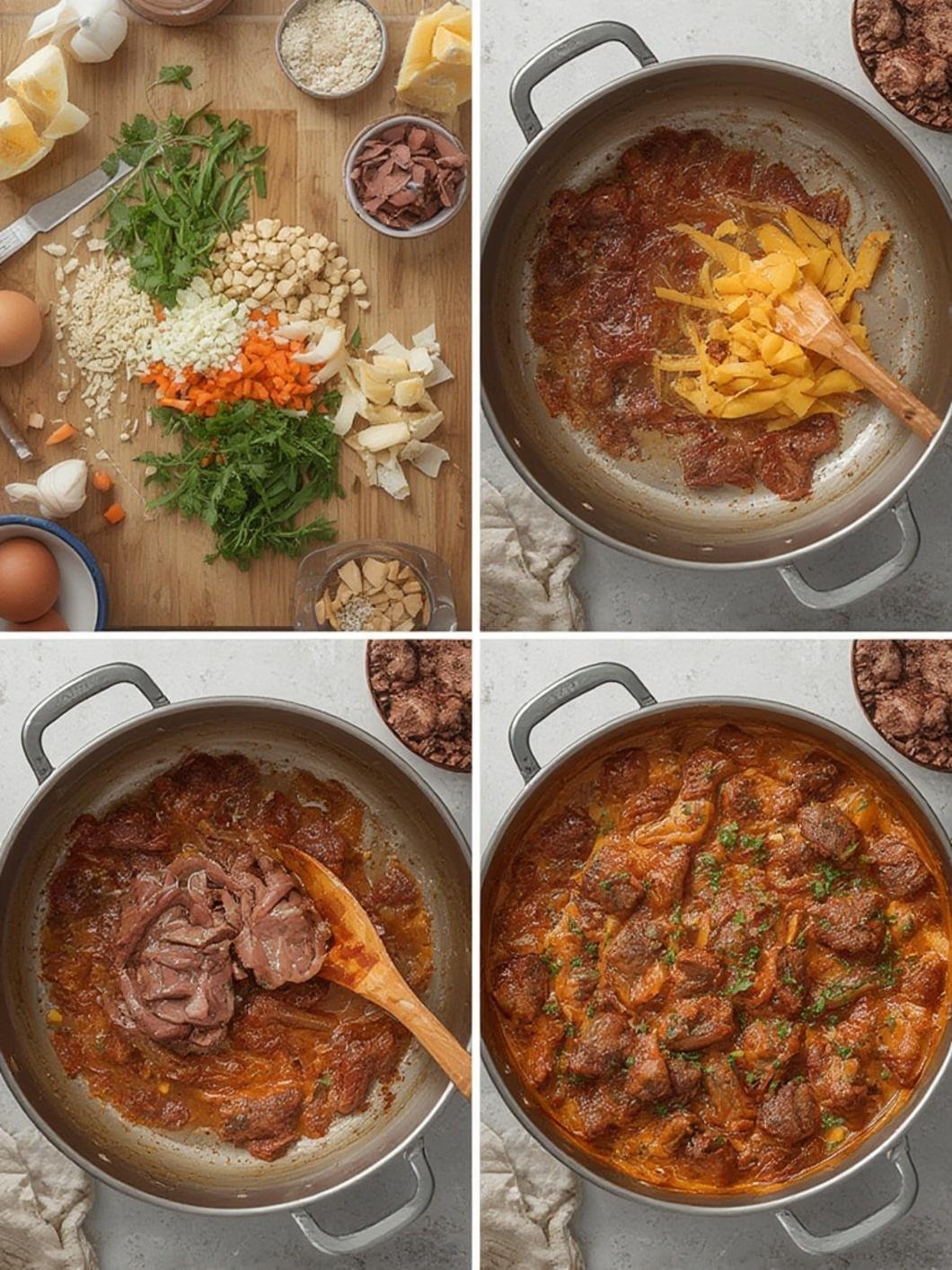
Ingredients & Supplies
To nail these recipes for carnivore diet, you’ll need:
– Proteins: 1–2 lbs of beef tenderloin, ribeye, or pork belly (grass-fed and organic ideal).
– Fats: Grass-fed butter, rendered tallow, or drippings for sautéing.
– Eggs: For omelets or to accompany your main dish.
– Seasonings: Coarse sea salt, freshly cracked black pepper, and optional garlic powder or fresh herbs like rosemary (dried rosemary is acceptable).
– Optional Add-Ins: High-quality cheese (Nutrition Facts compliant), such as aged cheddar or goat cheese, for creamy sauces.
– Tools: Cast iron skillet, heavy-duty mixing bowl, sharp knife, and an Instant Pot or air fryer for meal prep.
Substitutions: Use venison, bison, or lamb for variety. For fatty acids, opt for MCT oil if you need ketogenic support.
Prep & Cooking Schedule
This recipe adapts to busy lifestyles!
– Prep Time: 15 minutes.
– Cook Time: 15–25 minutes.
– Total Time: 30–40 minutes.
– Serving Size: 4 portions (meal prep for 2–3 days).
Pro Tip: Batch-cook ingredients like roasted beef or sautéed eggs and store in airtight containers. These carnivore meal plans thrive on simplicity, allowing you to prep grains of protein for salads, bowls, or quick reheats.
Step-by-Step Instructions
Follow these foolproof steps to master carnivore diet meal plans:
1. Prep the Meat: Trim excess fat from your beef but leave a thin layer for juiciness. Season liberally with salt and pepper. For a spicy twist, add cayenne pepper or smoked paprika.
2. Sear to Perfection: Heat a cast iron skillet over medium-high heat. Sear the meat for 3–4 minutes per side, aiming for a golden crust. Lower the heat and cook until it reaches your desired doneness (internal temperature: 130°F for rare, 145°F for medium).
3. Build a Creamy Sauce: Deglaze the pan with tartar butter, adding a splash of broth or heavy cream. Whisk until smooth—this adds richness without carbs.
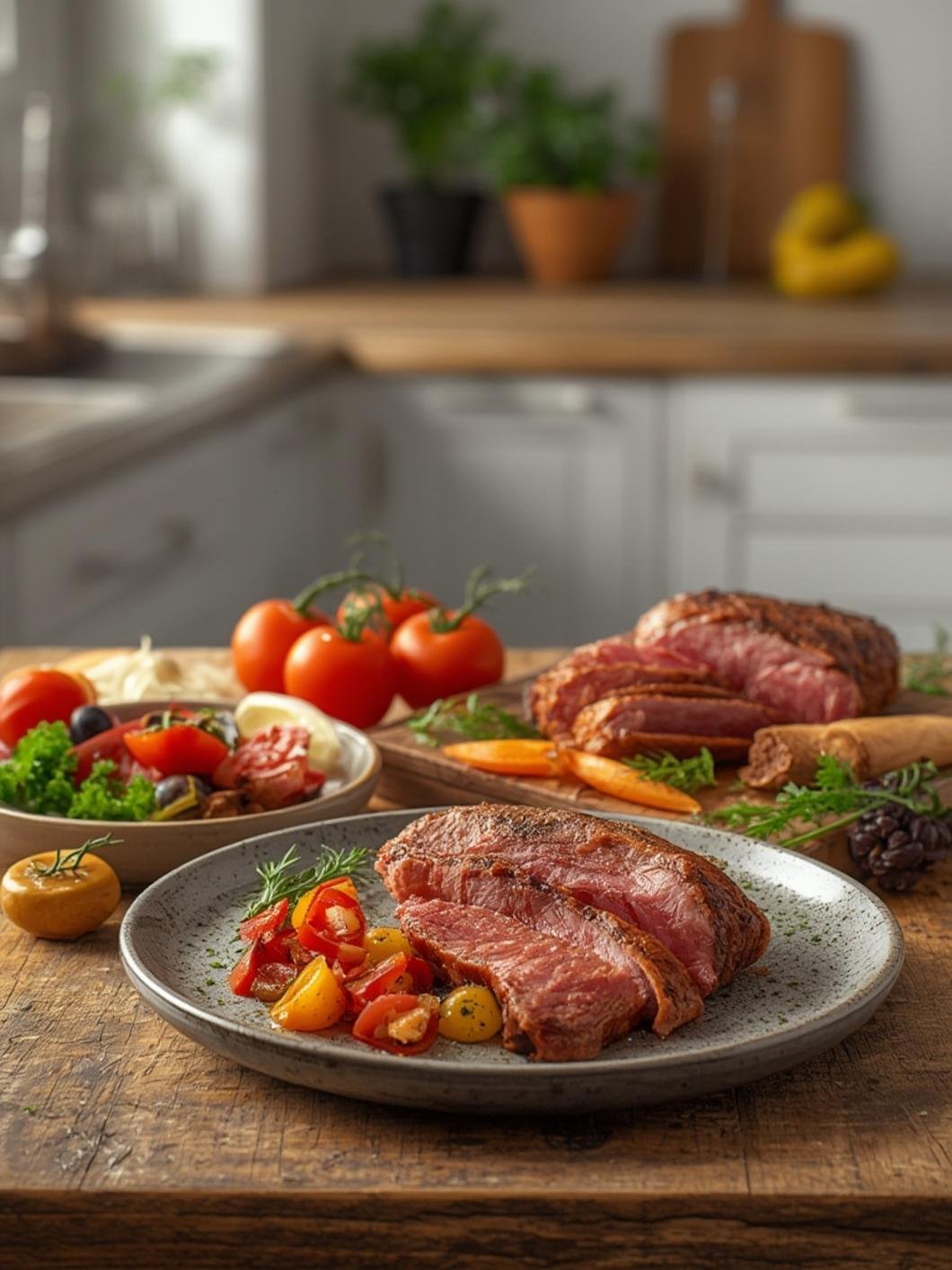
4. Assembly: Serve meat atop a bed of shredded beef broth or alongside eggs scrambled in tallow. Garnish with fresh parsley or chives for a pop of color.
Chef’s Advice: Let the meat rest for 5 minutes post-cooking to lock in juices. For meal prep, store portions separately to reheat without overcooking.
Nutritional Benefits
These recipes for carnivore diet enthusiasts are a nutritional powerhouse:
– High Protein: Beef provides 25g of protein per serving, supporting muscle repair and satiety.
– Healthy Fats: Grass-fed butter and tallow boost omega-3 intake, essential for brain and heart health.
– Zero Carbs: Eliminates sugar and fiber, aligning perfectly with ketogenic or strict carnivore goals.
– Gut-Friendly: Bone broth, used in sauces, delivers collagen and amino acids for digestive support.
Note: Pair with organ meats like liver for added vitamins A, B12, and iron.
Recipe Variations, Substitutions & Pro Tips
– Spicy Twist: Blend in crushed red pepper flakes during seasoning for heat.
– Creamy Version: Whisk sour cream into the sauce for a velvety texture.
– Healthier Swap: Use olive oil instead of butter if targeting lower saturated fats.
– Time-Saving Trick: Prep slow-cooked beef stew in an Instant Pot for fall-off-the-bone texture.
– Regional Flair: Season with smoked paprika and Worcestershire sauce (check labels for additives) for a Southern BBQ vibe.
Pro Hack: Make carnivore-friendly burgers by pulsing beef chuck in a food processor. Cook patties on a smash grill for charred edges.
Common Mistakes to Avoid
– Overcooking: Keep meat juicy by hitting the desired temp early and resting it.
– Under-Seasoning: The carnivore diet isn’t bland! Salt liberally—it’s your friend.
– Texture Issues: Avoid using frozen vegetables; stick to meat, eggs, and saturated fats.
– Ingredient Misuse: Always verify seasoning additives (e.g., MSG-free Worcestershire).
Storage & Reheating Instructions
– Refrigerate: Keep leftovers in glass containers for up to 4 days. Add a layer of butter to lock in moisture.
– Freezer-Friendly: Portion meat and sauces into silicone trays or mason jars. Freeze for 3 months.
– Reheat: Gently warm in a skillet or microwave with a splash of broth to prevent dryness. Avoid the oven unless reheating a whole roast.
Conclusion
Mastering these recipes for carnivore diet meal plans puts you in control of every bite, ensuring meals that are as nourishing as they are satisfying. Whether you’re craving a smoky steak dinner or a quick pork chop for dinner, this approach celebrates the richness of animal products without compromise. Ready to transform bland meals into carnivore-friendly feasts? Give these recipes a try—and don’t forget to share your creations with us!
FAQs
Q1: Can I adapt these carnivore diet meal plans for a budget?
A: Absolutely! Opt for affordable cuts like chuck roast or boneless ribs, and buy in bulk for savings.
Q2: How do I ensure meals stay interesting?
A: Experiment with spices, cooking methods (smoke, sear, braise), or global seasonings like za’atar or za’atar blends.
Q3: Can this recipe be made air fryer-safe?
A: Yes! Coat chopped meat in tallow and air-fry at 400°F for 10–12 minutes, flipping halfway.
Q4: What if I’m homeschooling or working full-time?
A: Prepare meals on Sundays, batch-cook, and freeze in portable containers. Pair with pre-made carnivore snacks for grab-and-go moments.
Q5: How do I balance electrolytes on this plan?
A: Add a pinch of pink salt to water or sip broth daily to maintain sodium levels.
