
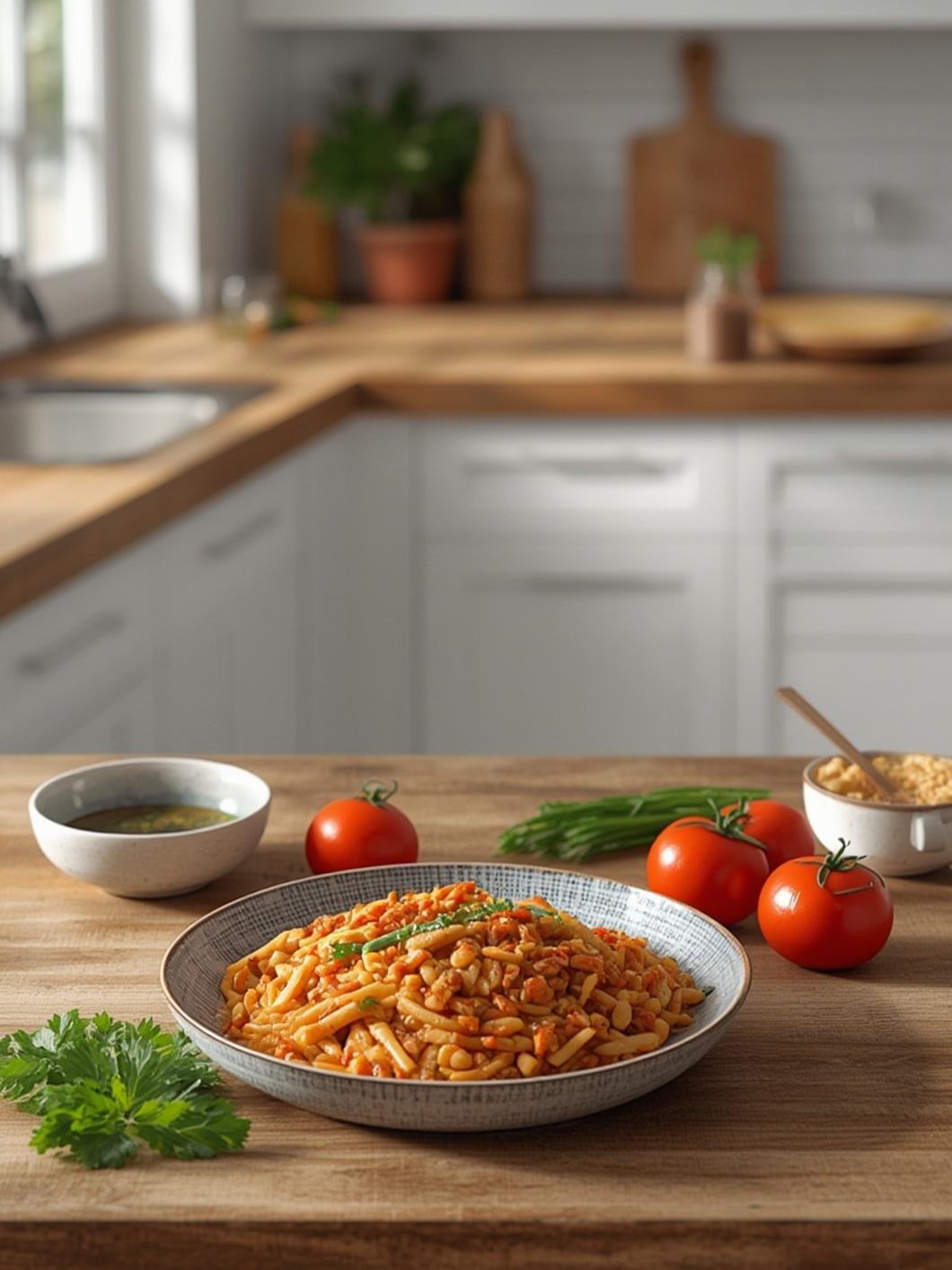
Does the smell of sizzling garlic and ginger transport you instantly to a bustling Asian street food market? Picture tender shrimp bathed in a silky, aromatic sauce, paired with fluffy jasmine rice and crisp seasonal veggies.
This harmony of flavors and textures is the magic of Asian dinner recipes. Whether you’re a beginner craving a quick, foolproof weeknight meal or a seasoned cook eager to explore global cuisines, these Asian dinner recipes easy and Asian dinner recipes healthy options deliver bold taste without complicated techniques.
Today, we’ll walk through a recipe that balances vibrant flavors, nutrient-packed ingredients, and simplicity—and trust me, it’s a game-changer for busy nights.
Ingredients & Supplies
For Asian dinner recipes, quality ingredients are key. Here’s what you’ll need:
– Protein: 1 lb boneless chicken breasts (or tofu for a vegan twist)
– Vegetables: 2 cups broccoli florets, 1 bell pepper (red or green), 1 cup snap peas
– Aromatics: 4 garlic cloves, 1 tbsp fresh ginger (or 1 tsp ground), 2 tbsp soy sauce (tamari for gluten-free), 1 tbsp rice vinegar
– Other: 1 tbsp honey or maple syrup (vegan option), 1 tbsp sesame oil, 1 tsp chili flakes (optional for spice), 2 tbsp cornstarch (for thickening), and 3 cups jasmine rice.
Tools: A sharp knife, wooden spoon or silicone spatula, mixing bowl, skillet, and rice cooker or stovetop pot. For meal prep, use airtight containers like Glasslock or snap-lock lids.
Optional substitutions: Swap chicken with tofu or tempeh, sesame oil with grapeseed oil (to reduce saturated fat), or honey with agave syrup.
Prep & Cooking Schedule
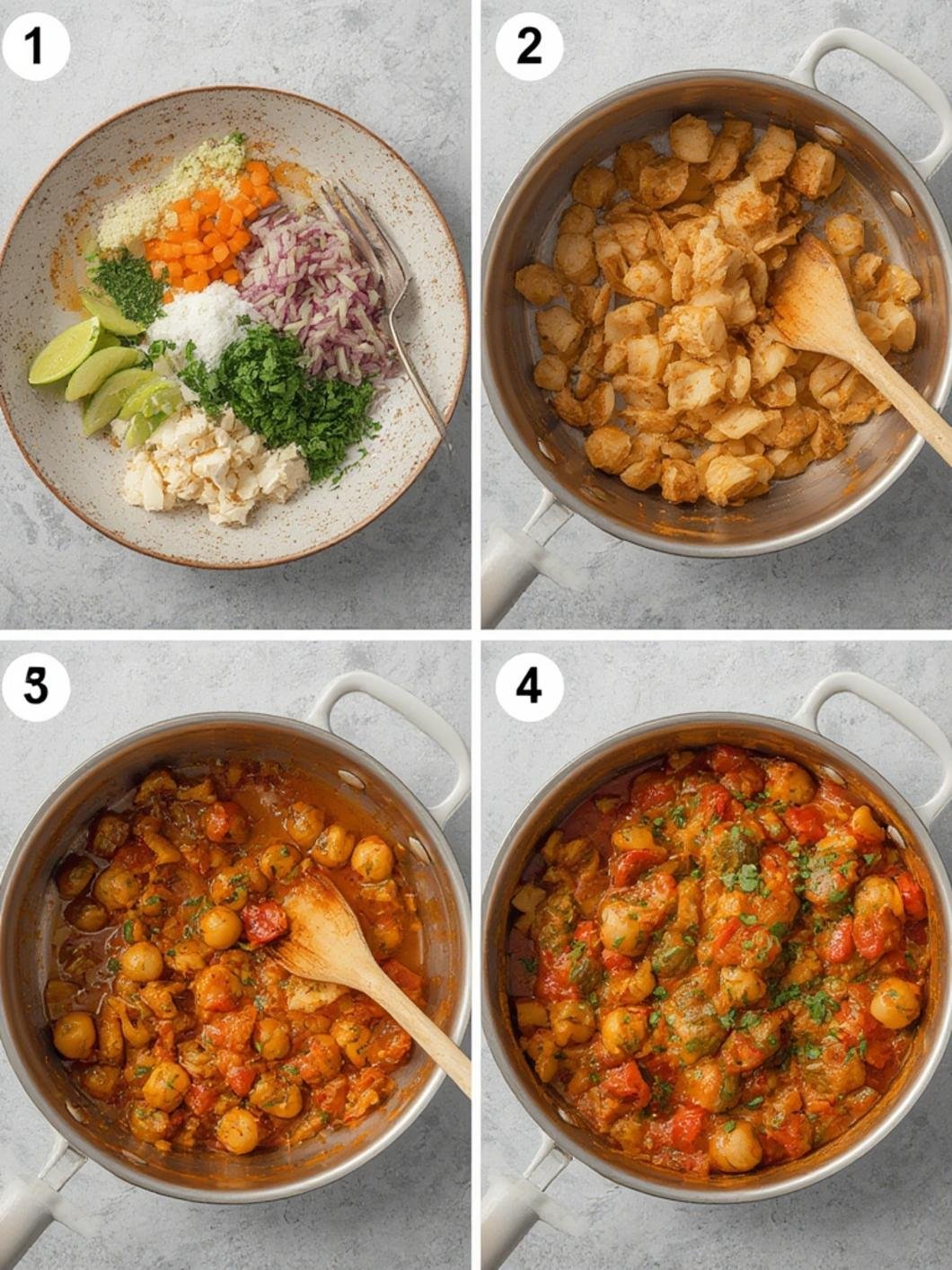
This Asian dinner recipes easy meal fits seamlessly into your routine:
– Prep Time: 15 minutes (chop veggies, marinate protein)
– Cook Time: 12 minutes (skillet or air fryer)
– Resting Time: 5 minutes (let veggies steam slightly for tenderness)
– Total Time: 32 minutes | Serves 4 | Difficulty: ★★ (Beginner-Friendly)
Timing tip: Prep ingredients while rice cooks. Make extras for leftovers—reheat in 3 minutes using a microwave-safe bowl with a damp paper towel to retain moisture.
Step-by-Step Instructions
1. Marinate the protein: In a bowl, cube chicken or press tofu. Toss with 2 tbsp soy sauce, 1 tbsp honey/maple syrup, and ½ tbsp sesame oil. Let sit for 10 minutes.
2. Prep veggies: Cut broccoli into bite-sized florets, bell pepper into strips, and snap peas into halves. Toss with 1 tbsp salt to soften and brighten colors.
3. Cook the rice: Simmer 3 cups jasmine rice with 1.5 cups water until tender (18 minutes). Fluff with a fork.
4. Sear the sauce: In a skillet, heat 1 tbsp sesame oil over medium-high heat. Add garlic and ginger, sauté 1 minute until fragrant. Stir in soy sauce, rice vinegar, honey/maple syrup, and chili flakes (if using). Simmer 2 minutes.
5. Stir-fry: Add marinated protein to the skillet. Cook 3–4 minutes per side until golden and cooked through. Deglaze the pan with ¼ cup water to loosen sauce.
6. Wilt veggies: Toss broccoli, bell pepper, and snap peas into the skillet. Cook 3–4 minutes until tender-crisp. Season with salt and pepper.
7. Plate: Serve rice in bowls, top with protein-veggie mixture, and drizzle extra sauce. Garnish with toasted sesame seeds or green onions.
Chef’s tip: For a spicier kick, add ½ tsp white pepper or a dash of Sriracha. For a creamier sauce, swirl in 1 tbsp coconut milk.
Nutritional Benefits
These Asian dinner recipes are as wholesome as they are flavorful:
– Protein-rich: Chicken or tofu provides 25+ grams of protein per serving, essential for muscle repair.
– Fiber-dense: Broccoli and snap peas offer 5+ grams of fiber, aiding digestion and satiety.
– Low glycemic: Sanjoy jasmine rice paired with veggies stabilizes blood sugar levels.
– Heart-healthy: Sesame oil and ginger contain monounsaturated fats and anti-inflammatory compounds.
Bonus: Skip store-bought sauces to cut sodium by 40%—this recipe’s base sauce is a guilt-free shortcut!
Recipe Variations, Substitutions & Pro Cooking Tips
1. Spicy version: Mix 1 tsp chili paste into the sauce for heat.
2. Creamy twist: Swirl in 2 tbsp peanut butter for a Pad Thai–inspired dip.
3. Healthier hack: Use cauliflower rice for a low-carb base.
4. Air fryer adaptation: Toss veggies in cornstarch and air-fry at 375°F (190°C) for 10–12 minutes.
5. Instant Pot option: Cook veggies and protein on sauté mode, then pressure-cook on high for 1 minute.
Pro tip: Prep sauce ingredients in advance and store in the fridge for up to 3 days—simply reheat before cooking.
Common Mistakes to Avoid
– Overcooking veggies: Remove them from heat once tender-crisp (they’ll continue steaming).
– Under-seasoning: Taste and adjust sauce before turning off the heat—add soy sauce for umami, lemon juice for brightness.
– Using old sauce: Stir-fries demand fresh aromatics. If reusing a base, bring it to a boil first.
– Overcrowding the pan: Cook in batches to ensure even browning and prevent soggy textures.
Storage & Reheating Tips
Store leftovers in airtight containers for 3–4 days. Reheat on the stovetop with a splash of water or in a toaster oven at 350°F (175°C) for 8–10 minutes. Freezing isn’t ideal due to rice texture, but sauce can be saved in ice cube trays for 2–3 months.
Conclusion
These Asian dinner recipes prove that comfort and simplicity can coexist with global flair. By balancing Asian dinner recipes easy techniques with bold, nutrient-rich ingredients, you’ll create meals that nourish and delight day after day.
Ready to elevate your routine? Dive into the aroma of garlic, the crunch of bell peppers, and the satisfaction of sharing this dish with loved ones.
FAQs
1. What can I substitute for soy sauce? Tamari (gluten-free), coconut aminos (lower sodium), or Worcestershire for depth.
2. Can I meal prep this? Absolutely! Assemble in portions and refrigerate. Add a drizzle of fresh sauce when reheating.
3. How do I adjust spices for kids? Skip chili flakes and serve sauce on the side.
4. Can this be cooked in a pressure cooker? Yes! Use the sauté mode for veggies and protein, then pressure-cook on low for 2–3 minutes.
5. Is it freezer-friendly? Avoid freezing with rice, but the sauce freezes well. Reheat separately and toss with fresh veggies.
“`json
“`
